Hong Kong: Global Financial Center or Beijing Sidekick?
By Mark L. Clifford
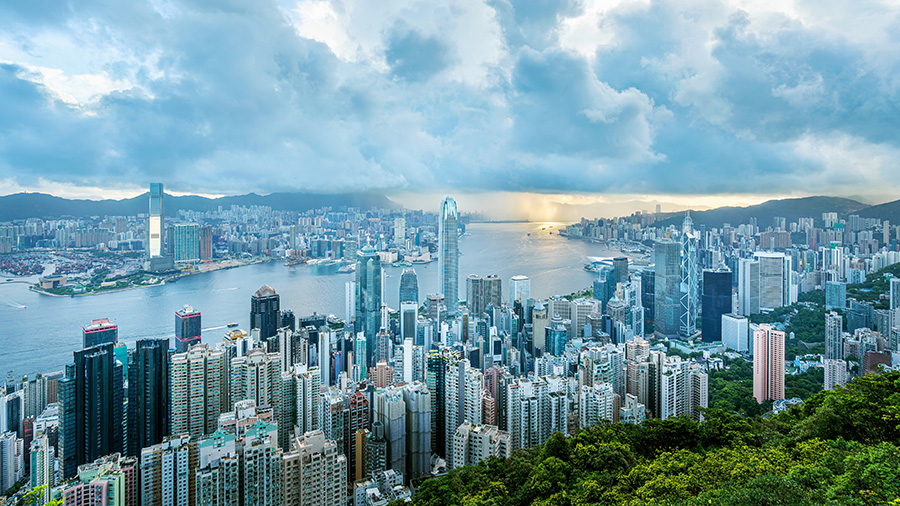
Hong Kong is back. At least that’s what the boosters would have us think. The London Financial Times on September 9th published “Hong Kong: a comeback with Chinese characteristics.” The piece rightly notes the huge flow in mainland Chinese capital-raising taking place in Hong Kong. The former British colony likely could top global rankings for new Initial Public Offerings (IPOs) this year, beating out rivals New York City and London.
Sure, there are some problems, the paper allows. The ongoing national security law trial of pro-democracy publisher Jimmy Lai put a chill on the territory, as has Beijing’s interference in attempts by the city’s best-regarded businessman, Li Ka-shing, to sell his stake in the Panama Canal. Deflation in China is dragging down everything from property sales to restaurant receipts in the former British colony.
But Hong Kong, the argument goes, reinvented itself as China’s financial window on the world. With more than $15 billion in IPO activity this year and a stock market that’s up a blistering 35% in 2025, it’s easy to imagine that Hong Kong has recovered its role as a global financial center.
In fact, the frothy stock market activity conceals some less flattering truths. Most of the IPOs are from mainland Chinese companies. These firms used to prefer listing on the New York Stock Exchange or Nasdaq but that window has slammed shut. Mainland Chinese companies are essentially shut out of New York and London, largely due to questions from regulators and politicians about their poor governance and dubious accounting standards. Hong Kong for many companies is a last-ditch alternative. Beijing also wants Chinese companies to list in Hong Kong in an effort to shore up the territory’s shaky international standing, so mainland firms curry political favor by staying close to home.
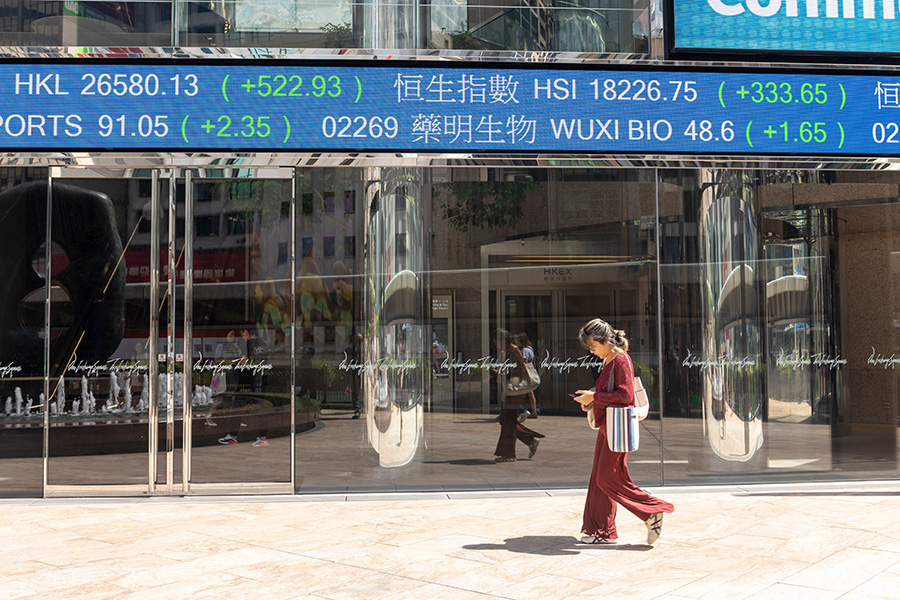
While the Hang Seng, Hong Kong’s stock market, has risen impressively this year, its long-term performance has been lousy. Since a vague and sweeping National Security Law was introduced on June 30, 2020, it has risen only 6.2% in total(an average of 1.2% annually). The S&P 500, by contrast, has risen 112%, or 15.5% annually. Put another way, the S&P 500 has risen two-and-a-half times as much each year as the Hang Seng has in the past five-plus years combined.
This dramatic underperformance stretches all the way back to the Chinese takeover of the British colony in 1997. During that 28-year period the Hang Seng advanced just 1.7% per annum versus 7.4% for the S&P 500. That China discount likely will keep hurting investment returns.
It’s easy to see the factors that weigh on Hong Kong’s markets and keep them from rising like those in the West. Global financial centers generally don’t have political prisoners. Since authorities crushed massive pro-democracy demonstrations in 2019, when millions of Hong Kongers called for Beijing to honor its promises of democracy for the island, Hong Kong has jailed almost 2,000 people on political charges. Nearly 800 remain behind bars.
The free press has been crushed, too. Hong Kong has plunged from 18th place when Reporters Without Borders started its annual list of press freedom in 2003 to 140th last year. That ranking placed it just behind Somalia, Libya, Guatemala, and Sri Lanka. The dismal placement reflected the closure of media entrepreneur Jimmy Lai’s Apple Daily and a slew of other independent media in the past five years.
Lai is the city’s best-known political prisoner. He’s been imprisoned since the end of 2020, mostly held in solitary confinement. He’s currently waiting for the verdict in his two-year-long National Security Law trial. A panel of hand-picked judges – he was denied a jury trial – will almost certainly find him guilty, though prosecutors showed only that he was guilty of practicing journalism.
Lai’s media company, Next Digital (of which I was a director), was forced to close in 2021 without even the pretense of a court order, simply on the say-so of Secretary for Security (now Chief Executive) John Lee.
Make no mistake. Politics now rules business in Hong Kong. The CEO of flagship airline Cathay Pacific, Rupert Hogg, was forced to resign in 2019 after some of the airline’s staff supported the pro-democracy movement. Banks have frozen accounts belonging to pro-democracy figures. A slew of shops and restaurants that sympathized with protesters have been harassed by administrative authorities from sanitary inspectors to police officers, forcing some to close.
Jimmy Lai and Li Ka-shing weren’t the first and they won’t be the last to feel the heavy hand of Chinese Communist Party interference on their business operations in a city that long prided itself on rule of law and a business-friendly atmosphere. There is a path back for Hong Kong to reclaim its role as a truly open and free global finance center. But not while hundreds of political prisoners remain in jail.
—–
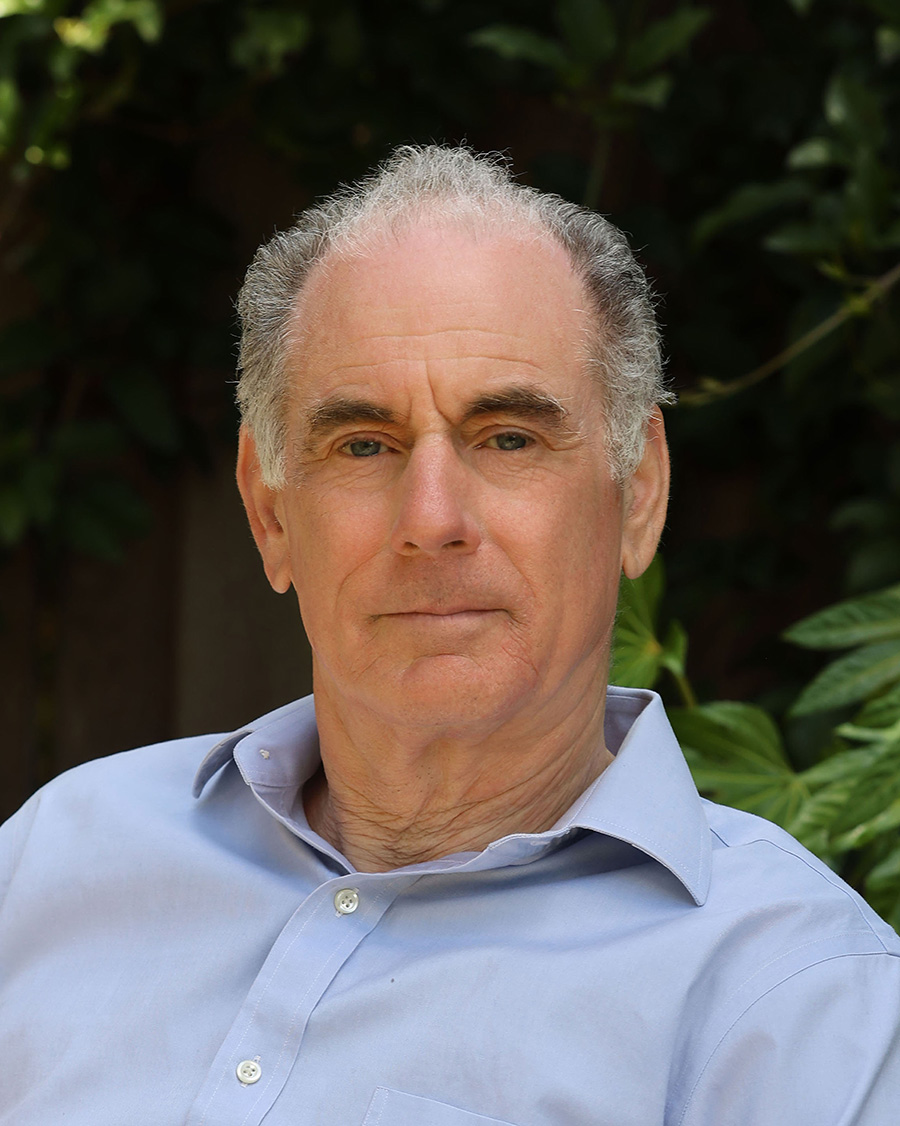
Mark L. Clifford is the author of The Troublemaker: How Jimmy Lai Became a Billionaire, Hong Kong’s Greatest Dissident, and China’s Fiercest Critic and president of the Committee for Freedom in Hong Kong Foundation. He worked in Asia as a reporter for nearly 30 years and was the editor of two Hong Kong-based daily newspapers, The South China Morning Post and the Hong Kong Standard. He can be reached via email at mclifford@thecfhk.org